
Validated, Functional Proteins for Diagnostic & Analytical Applications
Not Just Protein Material, Assay-Ready Reagents
Albrem develops proteins to function in real-world assays. We bridge the gap between standard protein production and analytical utility by delivering customized formulations, controlled modifications, and functional validation data.
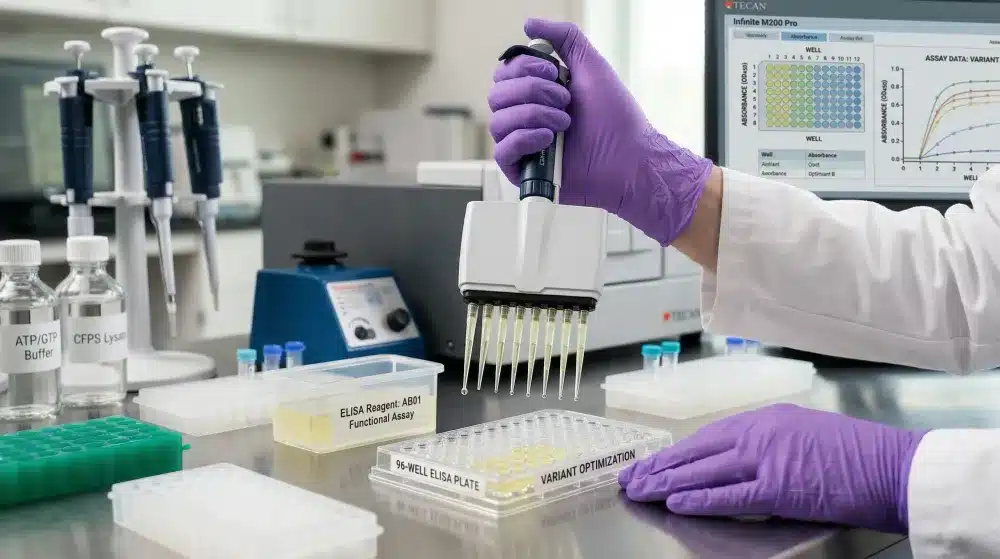
The Reagent Problem
Many development programs stall because “purified” does not mean “functional.” Common challenges include:
- Catalog Failure: Generic catalog proteins often fail in specific applied assays.
- Inconsistent Labeling or Derivatization of proteins: Random labeling leads to batch-to-batch variability and epitope masking.
- Reproducibility Issues: Poor reagent quality creates noise in critical diagnostic or analytical data.
- Lack of Validation: Proteins are delivered without data confirming they work in the intended context.
Who This Solution Is For
This service is designed for teams that need decision-grade reagents for:
Diagnostic Assay Development: High-fidelity antigens or antibodies for ELISA/LFIA.
Analytical Method Development: Reference standards for PK/ADA assays.
Translational Research: Validated tools for binding and specificity confirmation.
Binding & Specificity Validation: Confirming performance before scaling downstream studies.
How We Work: Inputs, Methods, & Outputs
We structure our reagent development to ensure the final material is ready for your specific assay platform.
1
Inputs
We start with your target sequence, assay format (e.g., ELISA, SPR), required labeling chemistry (e.g., Biotin, Fluorophore), and performance criteria.
2
Methods
We utilize a “make-and-measure” workflow: Expression & Purification → Site-Specific Modification (controlled orientation) → Analytical QC → Functional Validation.
3
Outputs
You receive the assay-ready reagent, a functional validation summary, and a stability profile.
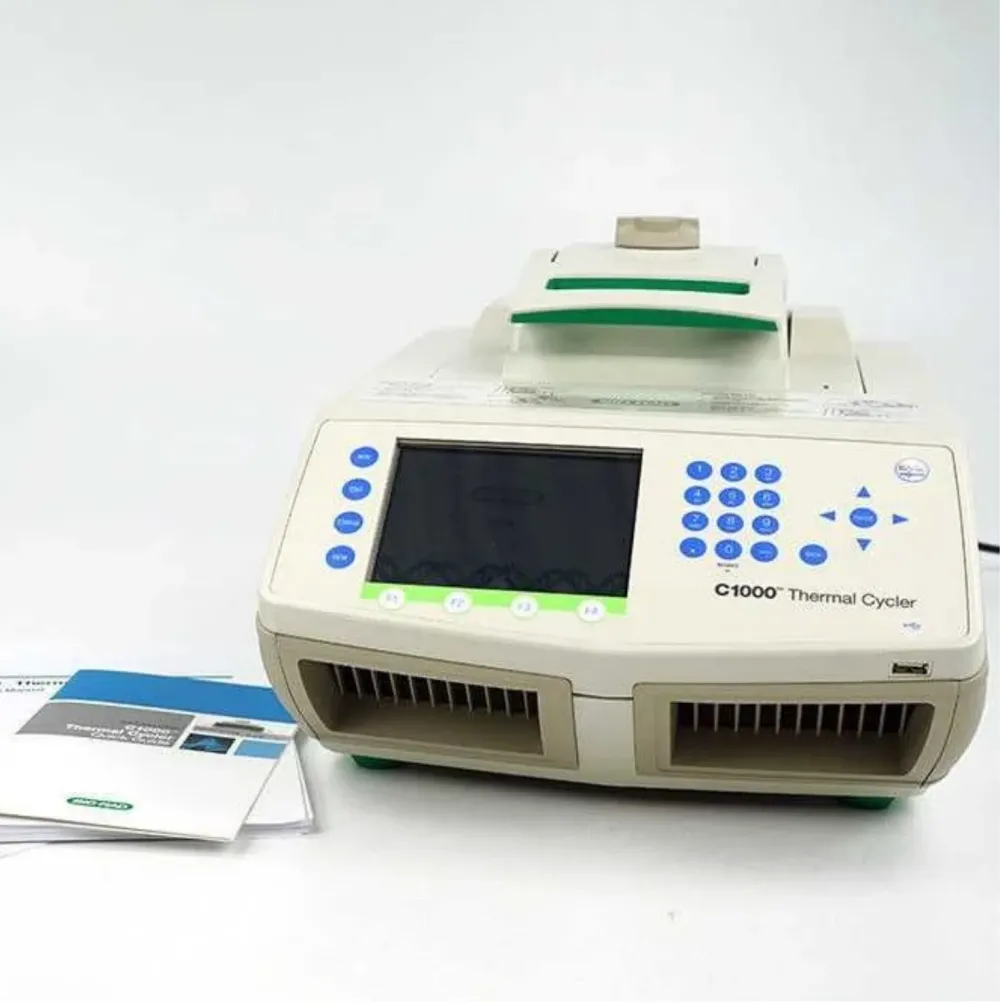
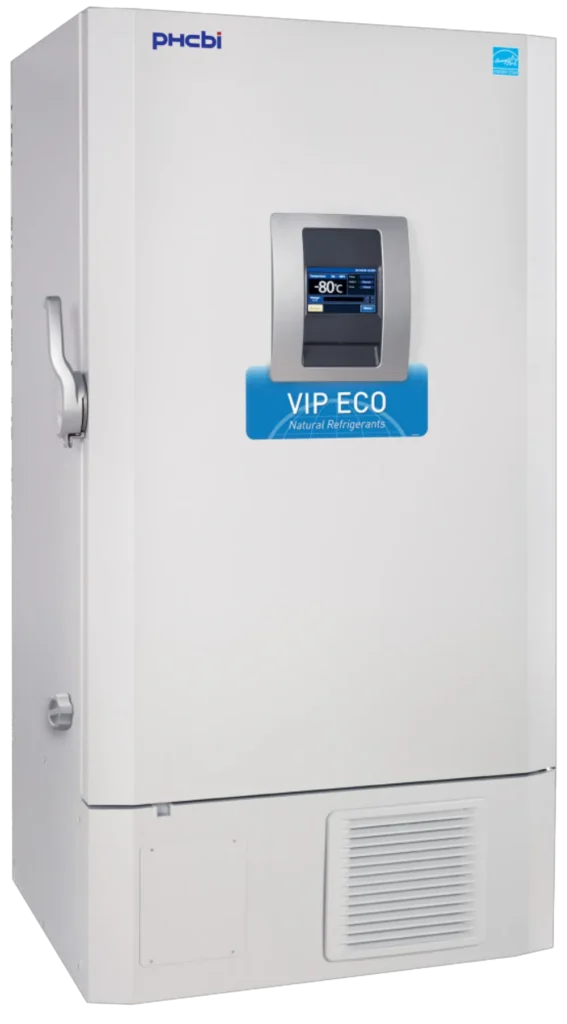
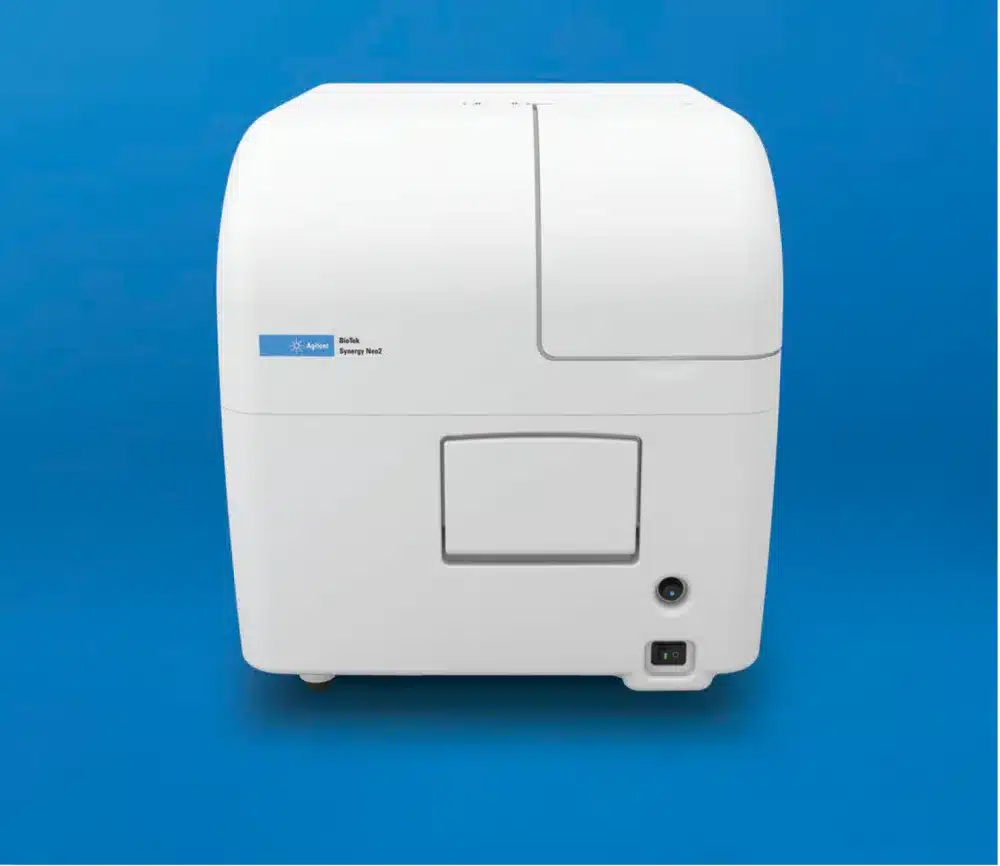
Equipment
Explore the laboratory equipment supporting plate-based assays, functional validation, and protein quality assessment.
What Albrem Delivers: The Data Package
We don’t just ship a tube; we provide the data required to trust the reagent in your assay.
Assay-Ready Reagents
Proteins formulated and labeled for immediate use.
Functional Validation Summary
Data confirming binding or activity in a relevant proxy assay.
Purity & Identity Package
LC-MS and SDS-PAGE confirmation of conjugation and purity.
Stability Profiling
Assessment of reagent stability under storage and stress conditions.
Site-Specific Modification
Verification of controlled labeling (e.g., Biotin, nCAAs) to ensure consistent performance.
Integration with Emery Pharma
Albrem focuses on the creation and optimization of the reagent. For advanced regulatory support, we integrate seamlessly with our partner, Emery Pharma.
- Advanced Bioanalysis: Deep characterization for IND-enabling data.
- Seamless Transfer: We facilitate the transfer of methods and materials for GLP/GMP requirements.
Why Albrem Is Different
-
Custom vs. Catalog
Unlike catalog proteins, Albrem develops reagents around the intended assay format, labeling strategy, and performance requirements.
-
Integrated Make-and-Measure Workflow
Development paired with analytical QC and functional validation.
-
Faster Iteration Cycles
More rapid improvement and decision-making during development.
-
Translational Alignment
Clear path from screening to clinical-grade development.
Ready to advance your program?
Our expertise can help advance your projects. Tell us about your target, your sequence, and your timeline.
Frequently Asked Questions
We need the protein sequence, the intended assay format, and your specific labeling or modification requirements.
Journal References
Cobb, R. R., J. Nkolola, P. Gilchuk, A. Chandrashekar, J. Yu, R. V. House, et al. (2022).
A combination of two human neutralizing antibodies prevents SARS-CoV-2 infection in cynomolgus macaques.
Med 3, 188–203.
Hastie, K. M., H. Li, D. Bedinger, S. L. Schendel, S. M. Dennison, K. Li, et al. (2021).
Defining variant-resistant epitopes targeted by SARS-CoV-2 antibodies: A global consortium study.
Science 374, 472–478.
Snow, D. M., R. R. Cobb, J. Martinez, I. Finger-Baker, L. Collins, S. Terpening, et al., Tomic M. T. (2021).
A monoclonal antibody combination against both serotypes A and B botulinum toxin prevents inhalational botulism in a guinea pig model.
Toxins 13, 31.
Tomic M. T., S. Farr-Jones, E. S. Syar, N. Niemuth, D. Kobs, M. J. Hackett, et al. (2021).
Neutralizing concentrations of anti-botulinum toxin antibodies positively correlate with mouse neutralization assay results in a guinea pig model.
Toxins 13, 671.
Espinoza, Y., D. Wong, A. Ahene, K. Der, Z. Martinez, J. Pham, et al., Tomic M. T. (2019).
Pharmacokinetics of human recombinant anti-botulinum toxin antibodies in rats.
Toxins 11, 345.
Snow, D. M., K. Riling, A. Kimbler, Y. Espinoza, D. Wong, K. Pham, et al., Tomic M. T. (2019).
Safety and pharmacokinetics of a four monoclonal antibody combination against botulinum C and D neurotoxins.
Antimicrob. Agents Chemother. 63, e01270-19.
Tomic M. T., Y. Espinoza, Z. Martinez, K. Pham, R. R. Cobb, D. M. Snow, et al. (2019).
Monoclonal antibody combinations prevent serotype A and serotype B inhalational botulism in a guinea pig model.
Toxins 11, 208.
Li, M., D. Lee, C. R. Obi, J. K. Freeberg, S. Farr-Jones, Tomic M. T. (2018).
An ambient temperature-stable antitoxin of nine co-formulated antibodies for botulism caused by serotypes A, B and E.
PLoS One 13, e0197011.
Nayak, S. U., J. M. Griffiss, R. McKenzie, E. J. Fuchs, R. A. Jurao, A. T. An, et al. (2014).
Safety and pharmacokinetics of XOMA 3AB, a novel mixture of three monoclonal antibodies against botulinum toxin A.
Antimicrob. Agents Chemother. 58, 5047–5053.
Meng, Q., M. Li, M. A. Silberg, F. Conrad, J. Bettencourt, R. To, et al. (2012).
Domain-based assays of individual antibody concentrations in an oligoclonal combination targeting a single protein.
Anal. Biochem. 421, 351–361.
Meng, Q., C. Garcia-Rodriguez, G. Manzanarez, M. A. Silberg, F. Conrad, J. Bettencourt, et al. (2012).
Engineered domain-based assays to identify individual antibodies in oligoclonal combinations targeting the same protein.
Anal. Biochem. 430, 141–150.
Teshima, G., M. X. Li, R. Danishmand, C. Obi, R. To, C. Huang, et al., Tomic M. (2011).
Separation of oxidized variants of a monoclonal antibody by anion-exchange.
J. Chromatogr. A 1218, 2091–2097.
Our expertise can help to advance your projects
We can also provide services for support of process development, including expertise in cell-free protein synthesis, mammalian cell-based expression, and analytical characterization.