Rapid Protein Production, Engineering & Strategic Advancement to IND
Custom protein expression and rapid functional validation—powered by cell-free, E. coli, and CHO workflows—to deliver decision-grade analytics, candidate screening, and translational development strategy before IND investment.
Accelerate Functional Protein Validation Before IND Investment
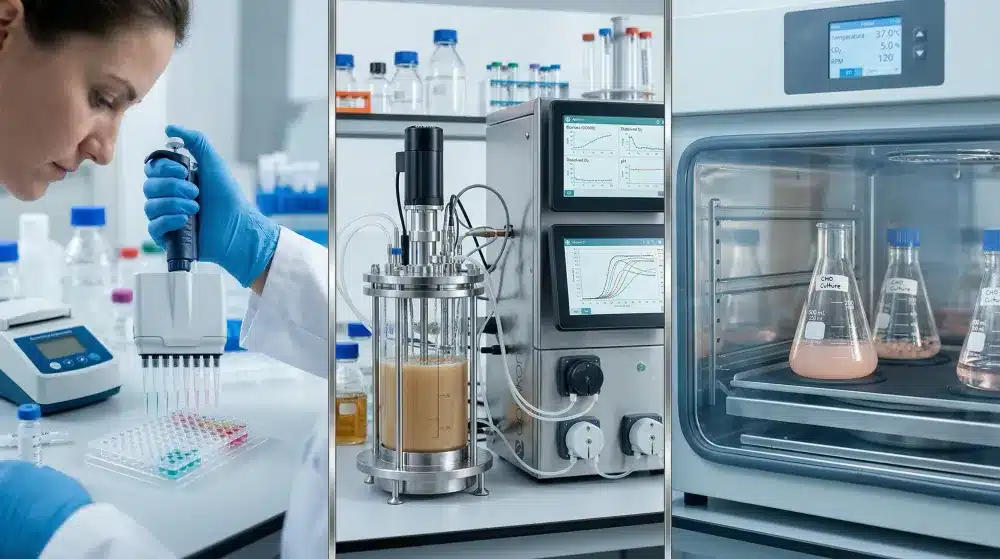
Albrem provides custom protein expression and rapid functional validation for biotechnology companies preparing to advance therapeutic protein candidates toward IND and clinical trials. We go beyond standard production to deliver a translational development data package that includes candidate screening, developability assessment, optimization and strategic recommendations—so you have the protein, analytics, and decision-grade data you need to proceed with confidence.
We enable:
- Rapid functional protein production
- Parallel variant screening
- Expression system comparison (Cell-Free, E. coli, CHO)
- Engineering and analytical validation
Strategic translational planning
Who This Service Is For
You may need this service if:
“We’ve identified the target and have a candidate protein — now we need to confirm it.”
“We need protein engineering and strong analytics data to pick the top candidate.”
“We need to test functionality before investing months in cloning or CHO.”
“Investors are asking for deeper data.”
“We’re preparing for cellular or animal studies.”
How We Work: Inputs, Methods, & Outputs
We structure our work to align with your decision-making process, ensuring clarity from start to finish.
1
Inputs
We start with your sequence/construct, target profile, required assay expectations, and desired format (e.g., Fc fusion, enzyme, etc.).
2
Methods
We utilize a multi-platform approach: Cell-free for rapid screening, E. coli for scale/confirmation, and Mammalian (CHO) for top lead or glycosylated candidates, followed by purification and analytics/formulation.
3
Outputs
You receive the purified protein, comparative analytical data, stability analysis, and a comprehensive recommendation/handoff package.
Expression Platforms & Selection Guide
We utilize rapid, flexible expression platforms tailored to your specific development stage. We help you select the right system to balance speed, risk, and data quality.
| Platform | Best for | Speed | Key Features |
|---|---|---|---|
| Cell-Free Protein Expression | Screening, feasibility, and rapid iteration | Fastest (Days) | Cloning-free workflows ideal for DBTL acceleration. |
| E. coli Expression | Scale-up and robust production | Fast (Weeks) | Milligram to gram-scale production with scalable purification workflows. |
| Mammalian (CHO) | Lead candidate evaluation & IND prep | Standard | Parallel evaluation of 5–10 targeted variants with IND-ready pathways available. |
Note: Our focus is on discovery and translational development to generate decision-grade data (mg to gram scale). We do not conduct GMP manufacturing.
Problems We Solve
Inability to test multiple variants quickly
Expression bottlenecks in early DBTL cycles
Unstable or poorly documented protein material
Toxicity-related cell expression failure
Poor early translational planning
Equipment
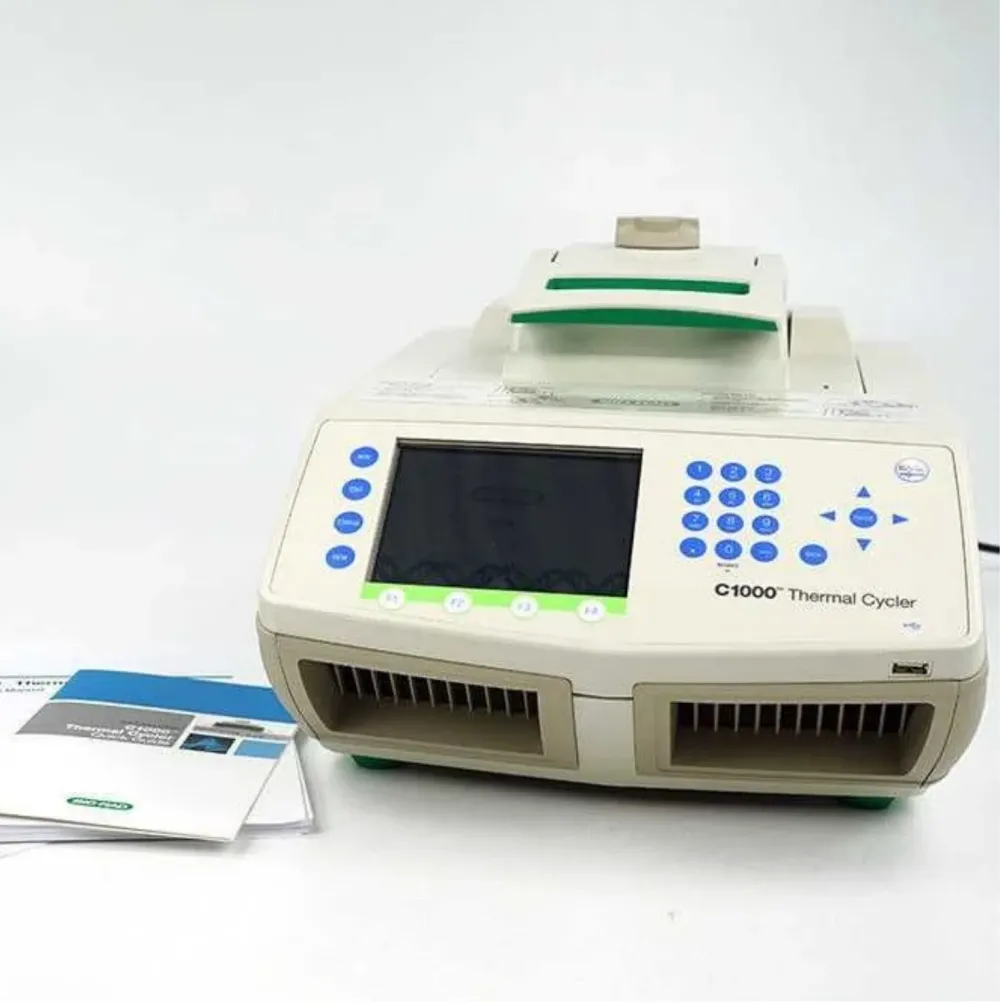
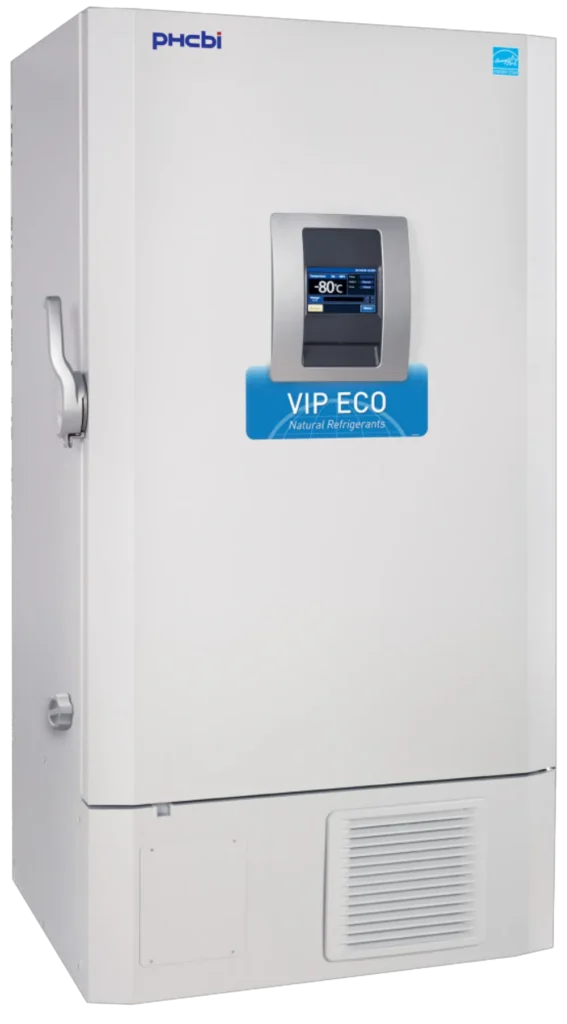
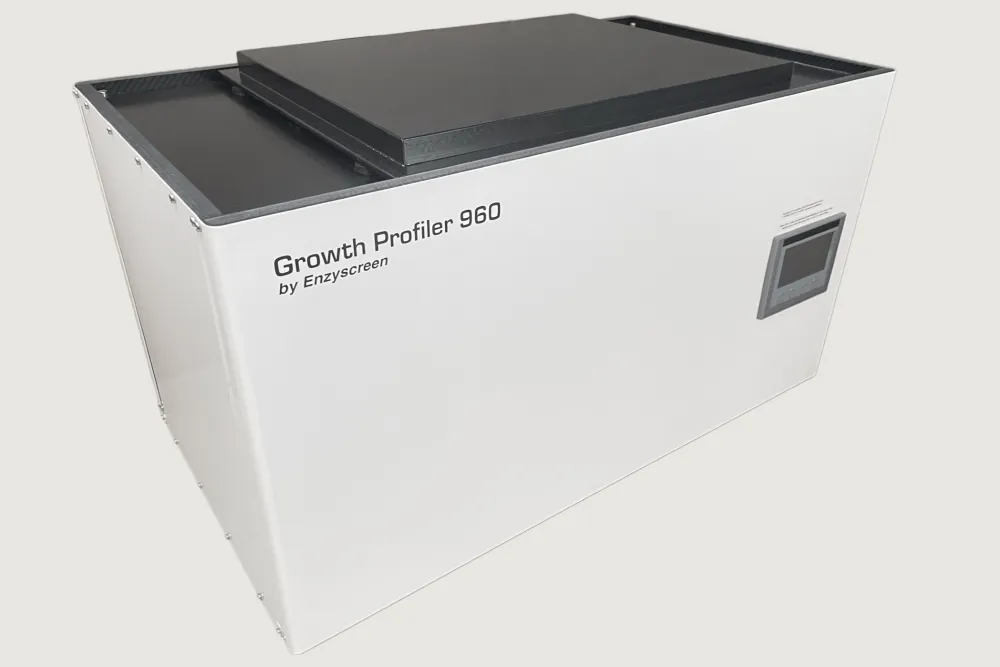
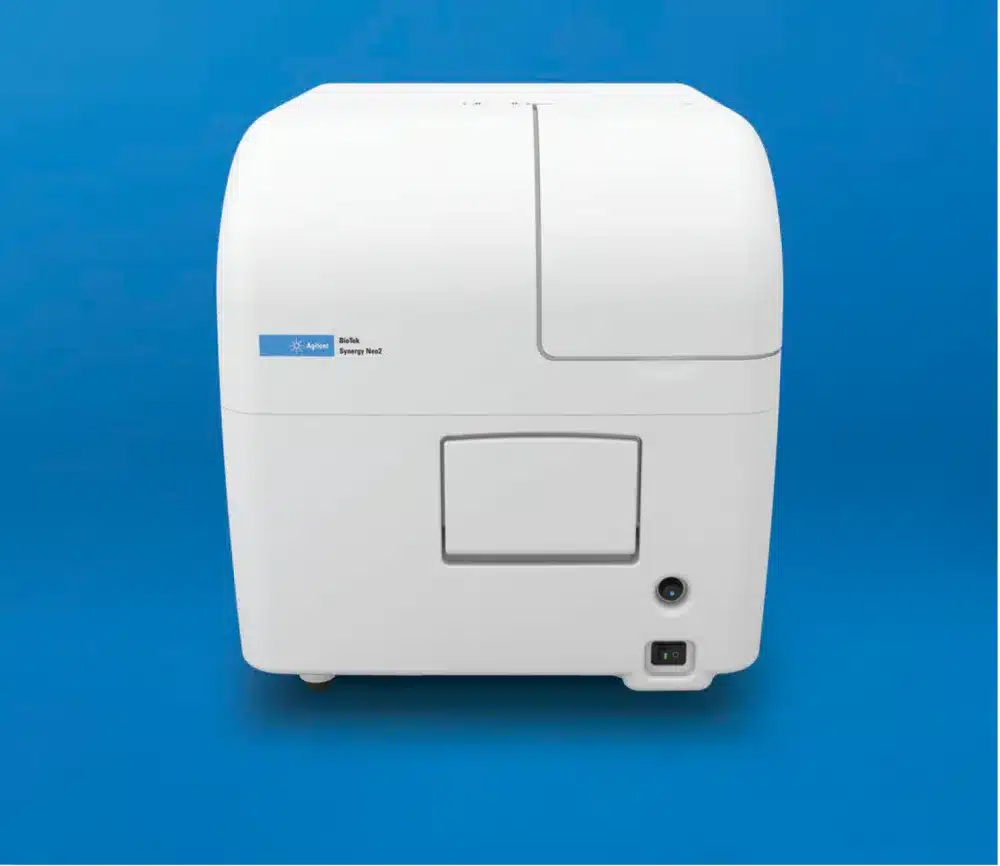
These workflows are supported by Albrem’s integrated laboratory equipment for protein expression, purification, and characterization.
What Albrem Delivers
We don't just ship tubes of frozen liquid; we deliver a data package designed for due diligence:
- Translational product development strategy
- Parallelized variant engineering and parallel expression screening
- Soluble, functional protein variants
- Expression system identification and benchmarking
- Analytical characterization (SEC, IEX, HIC, RP-HPLC, CE, MS, DLS, BLI)
- Early formulation and stability assessment
- Mg to gram quantities of selected variants
Data package components:
Expression Feasibility Summary
Platform comparisons with yield and solubility notes.
Purity & Identity Package
SDS-PAGE and MS confirmation (as applicable) to validate material quality.
Aggregation/Size Profile
SEC-HPLC and DLS analysis to identify aggregation risks early.
Charge/Heterogeneity Snapshot
IEX/CE analysis (as applicable) to assess charge variants.
Activity & Binding Readout
Summary of what was measured combined with a clear decision recommendation.
Candidate Readiness Memo
A short narrative detailing which candidates to advance and why.
Protein Types Supported:
Core Capabilities
- Protein A, ion exchange, HIC, RP, SEC purification
- Multi-system expression optimization
- Parallel construct engineering
- Analytical method development
- Early-stage protein formulation (liquid & lyophilized)
- IND-aligned CHO development pathways
Why Albrem Is Different
-
Speed Measured in Iterations, Not batches
-
Parallel Expression Screening
We test multiple constructs/variants simultaneously to avoid linear bottlenecks
-
Decision-Ready Analytics
Our data is packaged specifically for partner and investor diligence
-
Iterative Engineering
Rapid cycles reduce re-cloning and false starts in CHO
-
Translational Strategy
We integrate regulatory awareness from day one, ensuring your lab insights meet clinical intent
-
No biological bottlenecks
Platforms available from traditional cloning workflows through analytics and formulation
Ready to advance your program?
Our expertise can help advance your projects. Tell us about your target, your sequence, and your timeline.
Frequently Asked Custom Protein Expression Questions
We typically need your protein sequence, a target profile, and details on the assays you propose or plan to run.
Journal References
Nonet, G. H., E. Scut, R. Ogawa, Tomic M. T. (2025).
Assessing the probability of clonality achieved by single-cell cloning of CHO cells through cell deposition combined with imaging using distinguishable cells.
Biotechnol. Prog. 41, e70012.
Rezvani, R. N., R. Aw, W. Chan, K. Satish, H. Chen, A. Lavy, et al. (2025).
Scalable cell-free production of active T7 RNA polymerase.
Biotechnol. Bioeng. 122, 2241–2250.
Cobb, R. R., J. Nkolola, P. Gilchuk, A. Chandrashekar, J. Yu, R. V. House, et al. (2022).
A combination of two human neutralizing antibodies prevents SARS-CoV-2 infection in cynomolgus macaques.
Med 3, 188–203.
House, R. V., T. A. Broge, T. J. Suscovich, D. M. Snow, Tomic M. T., G. Nonet, et al. (2022).
Evaluation of strategies to modify anti-SARS-CoV-2 monoclonal antibodies for optimal functionality as therapeutics.
PLoS One 17, e0267796.
Snow, D. M., R. R. Cobb, J. Martinez, I. Finger-Baker, L. Collins, S. Terpening, et al., Tomic M. T. (2021).
A monoclonal antibody combination against both serotypes A and B botulinum toxin prevents inhalational botulism in a guinea pig model.
Toxins 13, 31.
Espinoza, Y., D. Wong, A. Ahene, K. Der, Z. Martinez, J. Pham, et al., Tomic M. T. (2019).
Pharmacokinetics of human recombinant anti-botulinum toxin antibodies in rats.
Toxins 11, 345.
Snow, D. M., K. Riling, A. Kimbler, Y. Espinoza, D. Wong, K. Pham, et al., Tomic M. T. (2019).
Safety and pharmacokinetics of a four monoclonal antibody combination against botulinum C and D neurotoxins.
Antimicrob. Agents Chemother. 63, e01270-19.
Tomic M. T., Y. Espinoza, Z. Martinez, K. Pham, R. R. Cobb, D. M. Snow, et al. (2019).
Monoclonal antibody combinations prevent serotype A and serotype B inhalational botulism in a guinea pig model.
Toxins 11, 208.
Li, M., D. Lee, C. R. Obi, J. K. Freeberg, S. Farr-Jones, Tomic M. T. (2018).
An ambient temperature-stable antitoxin of nine co-formulated antibodies for botulism caused by serotypes A, B and E.
PLoS One 13, e0197011.
Wijesuriya, S. D., E. Pongo, Tomic M., F. Zhang, C. Garcia-Rodriguez, F. Conrad, et al. (2018).
Antibody engineering to improve manufacturability.
Protein Expr. Purif. 149, 75–83.
Nayak, S. U., J. M. Griffiss, R. McKenzie, E. J. Fuchs, R. A. Jurao, A. T. An, et al. (2014).
Safety and pharmacokinetics of XOMA 3AB, a novel mixture of three monoclonal antibodies against botulinum toxin A.
Antimicrob. Agents Chemother. 58, 5047–5053.
Meng, Q., M. Li, M. A. Silberg, F. Conrad, J. Bettencourt, R. To, et al. (2012).
Domain-based assays of individual antibody concentrations in an oligoclonal combination targeting a single protein.
Anal. Biochem. 421, 351–361.
Garcia-Rodriguez, C., I. N. Geren, J. Lou, F. Conrad, C. Forsyth, W. Wen, et al. (2011).
Neutralizing human monoclonal antibodies binding multiple serotypes of botulinum neurotoxin.
Protein Eng. Des. Sel. 24, 321–331.
Our expertise can help to advance your projects
We can also provide services for support of process development, including expertise in cell-free protein synthesis, mammalian cell-based expression, and analytical characterization.