
Rescue Difficult-to-Express Proteins with Cell-Free & Multi-System Strategies
Rescue Strategies for Proteins That Fail in Conventional Expression Systems
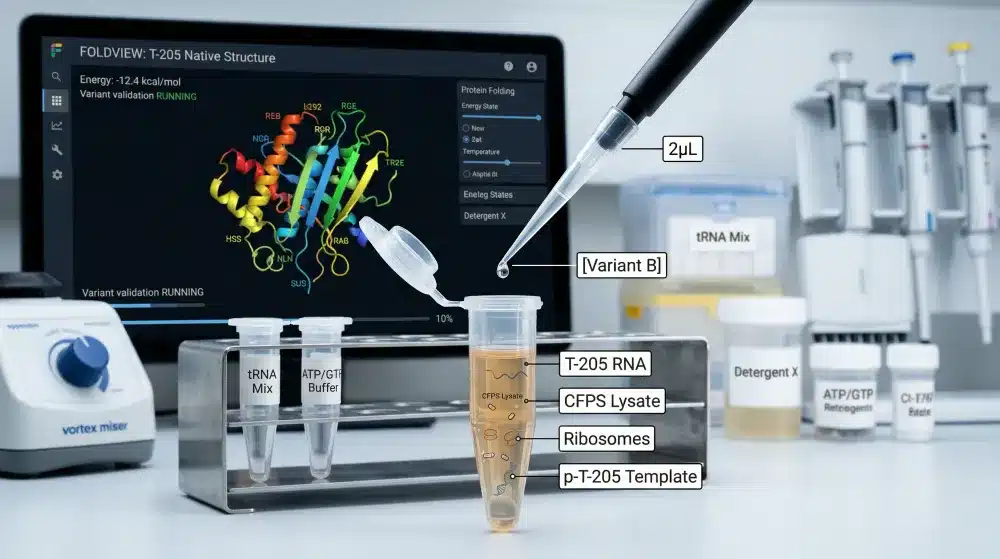
Albrem specializes in rescuing proteins that fail in standard cell-based systems due to toxicity, instability, or structural complexity. We combine cell-free expression with specialized folding and potential structural enhancement strategies to deliver soluble, functional material and clear go/no-go decision data for your most challenging candidates.
When Traditional Expression Systems Fail
You may need this service if your program is stalled by:
Host cell toxicity: The protein kills the expression host before yields can be recovered.
Inclusion body formation: Material is produced but requires complex refolding that yields inactive protein.
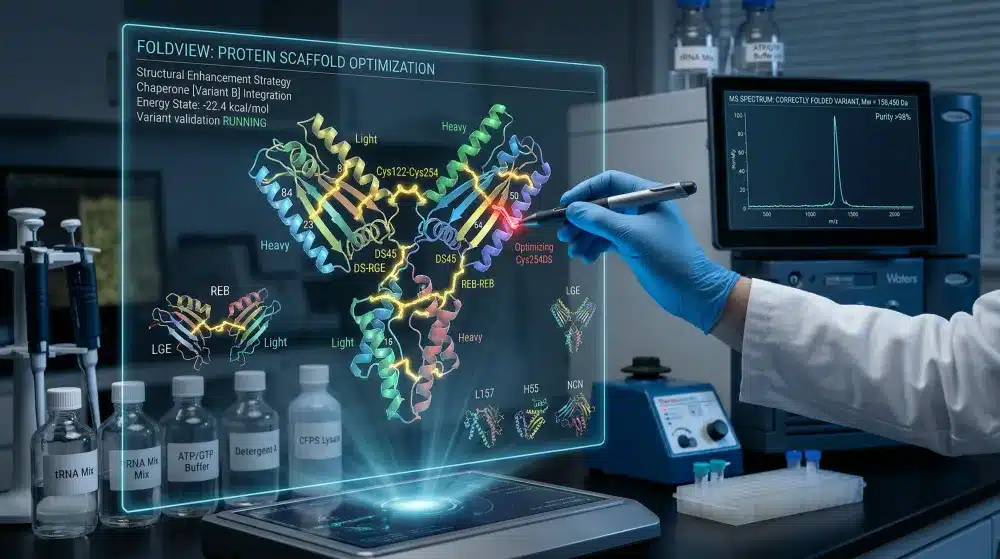
Incorrect disulfide pairing: Complex scaffolds failing to fold correctly in standard reducing environments.
Aggregation: “Clean” synthetic binders that aggregate in solution.
Expression collapse during scaling: Candidates that express at small scale but fail during scale-up attempts.
Why Cell-Free Expression Changes the Equation
Cell-free systems remove biological bottlenecks and accelerate construct testing by allowing direct control of the reaction environment.
- No living host → toxicity eliminated: Enables expression of cytotoxic proteins.
- Open reaction environment allows tuning: Conditions can be adjusted to favor solubility.
- Co-translational folding control: Rates can be adjusted to support proper folding as the protein is synthesized.
- Compatibility with membrane mimetics: Compatible with detergents and lipids for membrane protein support.
How We Work: Inputs, Methods, & Outputs
We structure rescue attempts to generate decision-grade data quickly.
1
Inputs
We start with your sequence, target profile, and data on previous failure modes (e.g., toxicity, aggregation).
2
Methods
We utilize cell-free expression for rapid screening and folding optimization, with membrane mimetics or chaperones as needed.
3
Outputs
You receive soluble protein (if successful), a feasibility report, and a recommendation for downstream production.
What Albrem Delivers: The Data Package
We provide more than just a “result”; we deliver a comprehensive data package to guide your next steps:
Expression Feasibility Summary
Detailed breakdown of what conditions yielded soluble protein.
Solubility & Yield Metrics
Clear data on recovery rates and concentration.
Purity & Identity Snapshot
SDS-PAGE and analytical confirmation of the rescued material.
Strategic Recommendation
A “Candidate Readiness Memo” outlining whether the construct is viable for scale-up or requires re-engineering.
Core Capabilities
- Cytotoxic protein expression
- Disulfide-rich protein folding
- Antibody fragments & fusion proteins
- Challenging scaffolds
- Rapid construct iteration
Equipment
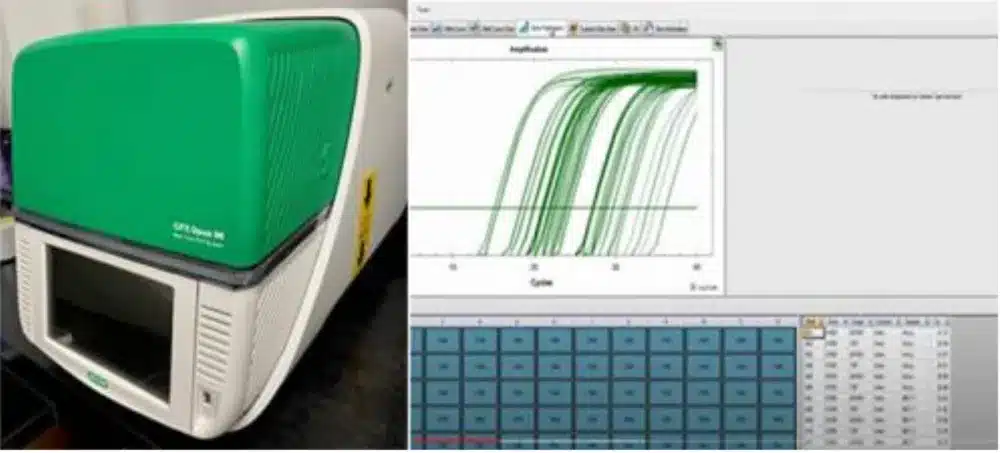
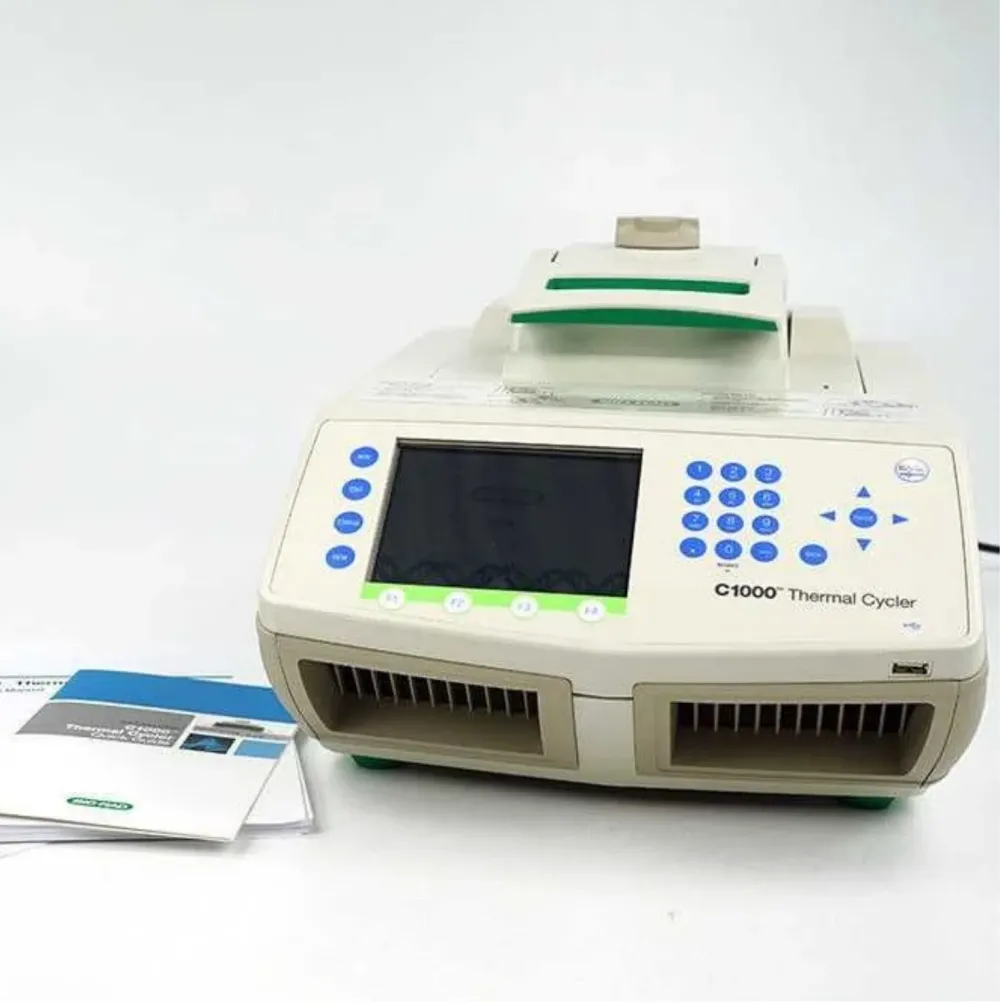
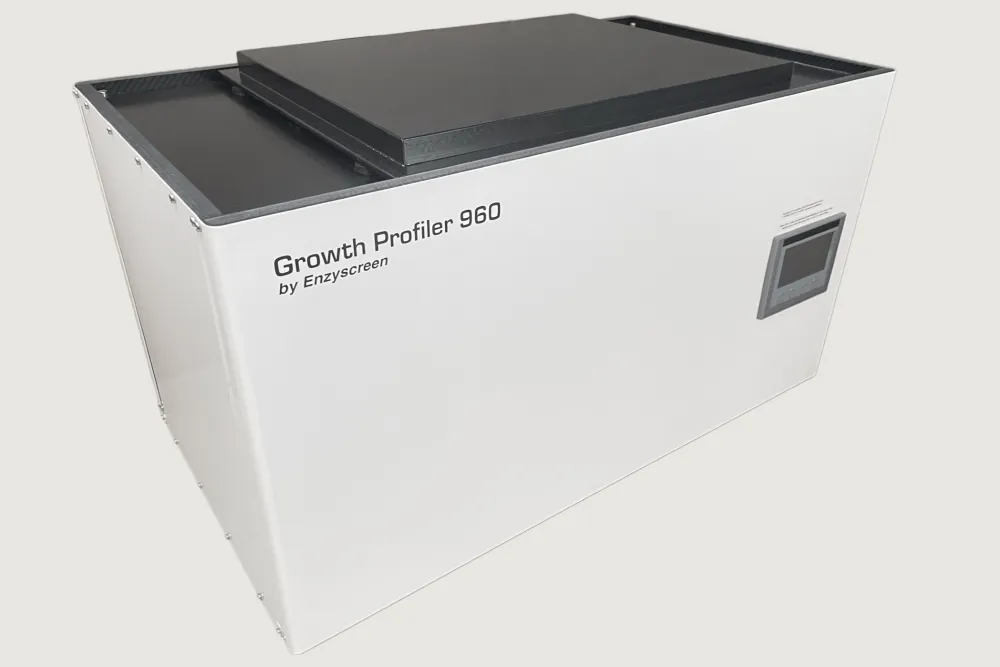
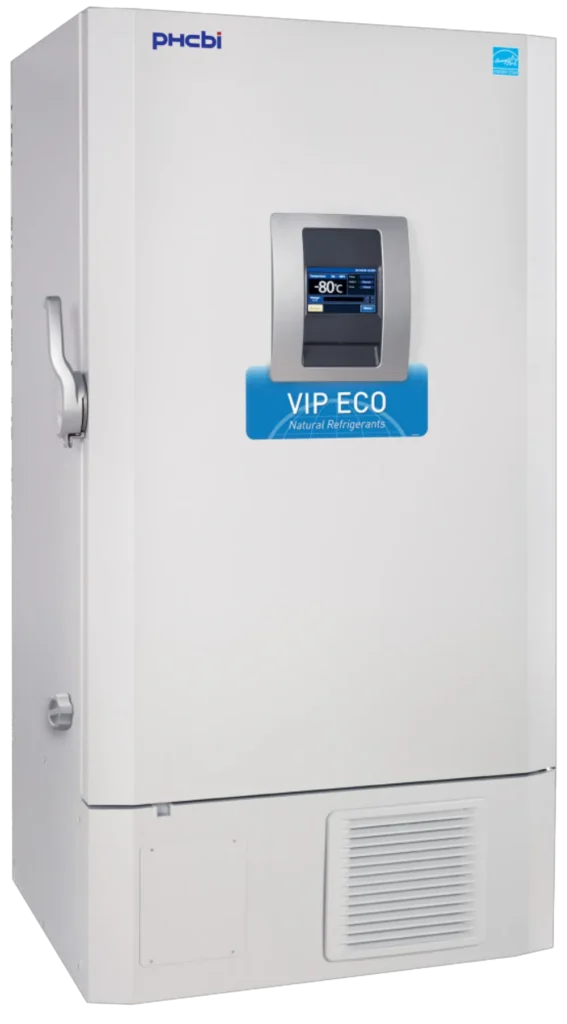
See the laboratory equipment supporting expression troubleshooting, culture monitoring, purification, and analytical evaluation.
Scope & Boundaries
-
Focus
Discovery, troubleshooting, and construct optimization.
-
Scale
Mg to gram scale for characterization and assays.
-
Exclusions
We do not perform GMP manufacturing or large-scale membrane protein production for commercial supply.
Ready to advance your program?
Our expertise can help advance your projects. Tell us about your target, your sequence, and your timeline.
Frequently Asked Questions
We typically need the protein sequence, target profile, and details on previous expression failures.
Journal References
Rezvani, R. N., R. Aw, W. Chan, K. Satish, H. Chen, A. Lavy, et al. (2025).
Scalable cell-free production of active T7 RNA polymerase.
Biotechnol. Bioeng. 122, 2241–2250.
Wijesuriya, S. D., E. Pongo, Tomic M., F. Zhang, C. Garcia-Rodriguez, F. Conrad, et al. (2018).
Antibody engineering to improve manufacturability.
Protein Expr. Purif. 149, 75–83.
Our expertise can help to advance your projects
We can also provide services for support of process development, including expertise in cell-free protein synthesis, mammalian cell-based expression, and analytical characterization.