AI-Guided Protein Engineering & Optimization for Stability, Activity & Developability
Albrem provides rapid, focused protein engineering and optimization services to reach decision-grade candidate readiness. We combine structure- and sequence-informed variant design with wet-lab validation to deliver soluble, functional, and developable candidates ready for the next stage of development and advancement to manufacturing.
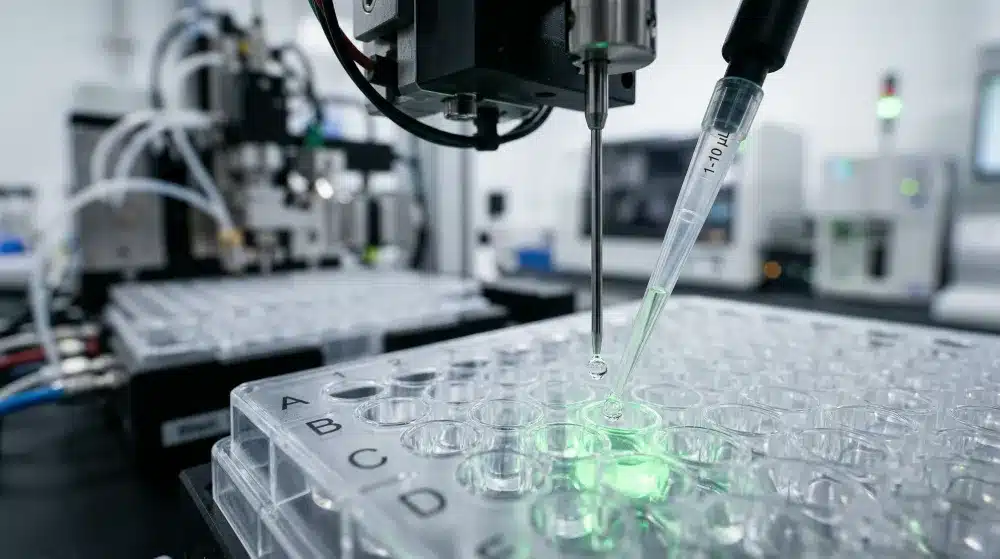
When Your Protein “Almost Works”
You have a candidate with promise, but it isn’t ready for development. This service is designed to bridge the gap when you face:
Poor stability or aggregation (formulation or storage liability)
Weak binding or low activity (needs affinity maturation or catalytic improvement)
Manufacturability risks discovered too late, such as poor expression or separation from variants
Inefficient screening (avoiding oversized screening libraries without direction)
Our Approach: Iterative Design–Build–Test–Learn (DBTL) Engineering
In silico prediction and multi-parameter optimization
- AI-guided variant design using protein language models
- Multi-parameter optimization (e.g., activity + Tm + solubility)
- Ranking substitutions to focus learning and reduce wasted screening
Wet-lab validation and data feedback loops
- Wet-lab validation of top candidates
- Data feedback loops to refine variant selection
- We engineer intelligently — not randomly
Inputs, Methods, & Outputs
We structure our work to align with your decision-making process, ensuring clarity from start to finish.
1
Inputs
Your sequence/structure, target profile, and assay constraints (e.g., required Tm or binding affinity)
2
Methods
Knowledge, analytical, and AI-guided design + multi-parameter optimization + rapid validation
3
Outputs
Shortlisted optimized constructs, functional/stability data, and a clear recommendation memo
What Albrem Delivers: The Data Package
We don’t just send you a list of sequences. We deliver a comprehensive data package designed for due diligence and decision-making:
Ranked variant library design
With clear rationale for what changed
Small, information-dense variant libraries
Focused libraries that maximize learning per variant
Optimized constructs
Shortlisted candidates provided as sequences (FASTA) and physical material
Developability snapshot
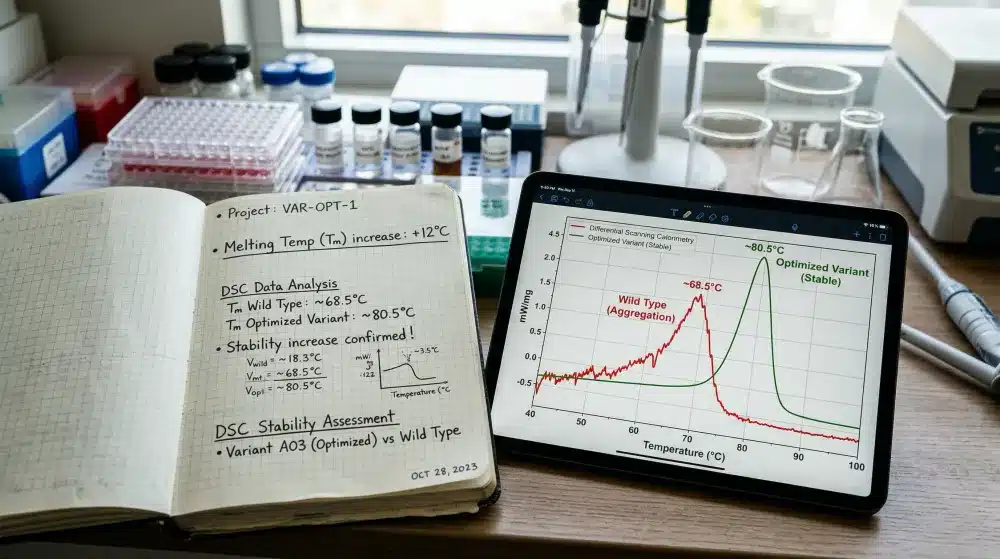
Thermal stability Tm, solubility, aggregation resistance
Functional readout
Activity or binding summary tied to your assay requirements
Recommendation memo
Which candidates to advance and the trade-offs involved
Typical Optimization Targets
- Affinity maturation
- Thermal stabilization
- Aggregation reduction
- Developability risk mitigation
- Enzyme catalytic improvement
Problems This Solves
Poor stability or aggregation
Weak binding or low activity
Manufacturability risks discovered too late
Inefficient random mutagenesis
Oversized screening libraries without direction
Slow directed evolution cycles (replacing inefficient random mutagenesis with rational design)
Expression failures (mitigating aggregation in “clean” synthetic binders)
Development dead-ends (identifying manufacturability risks before costly failures)
Data gaps (providing functional and stability data to support selection)
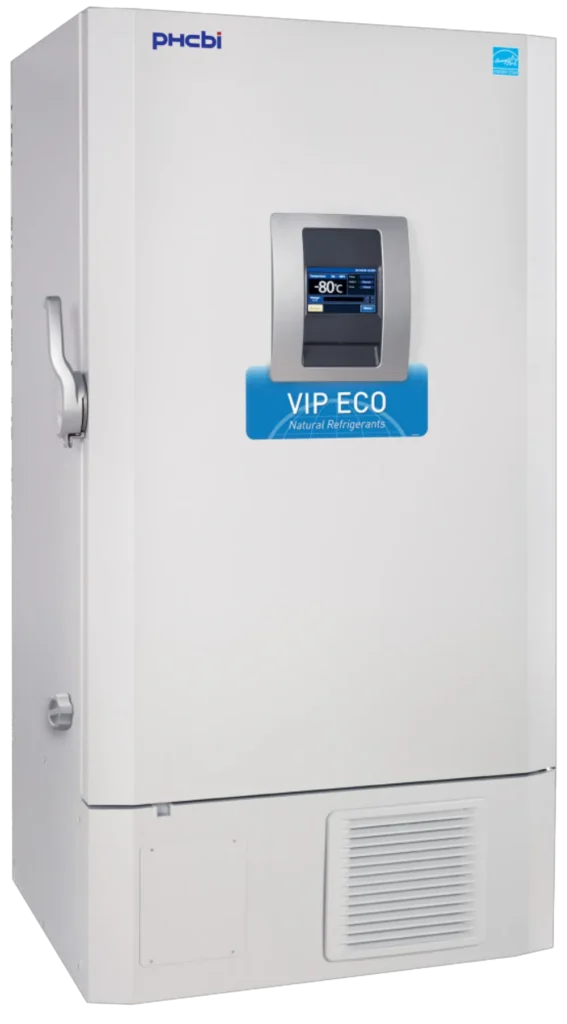
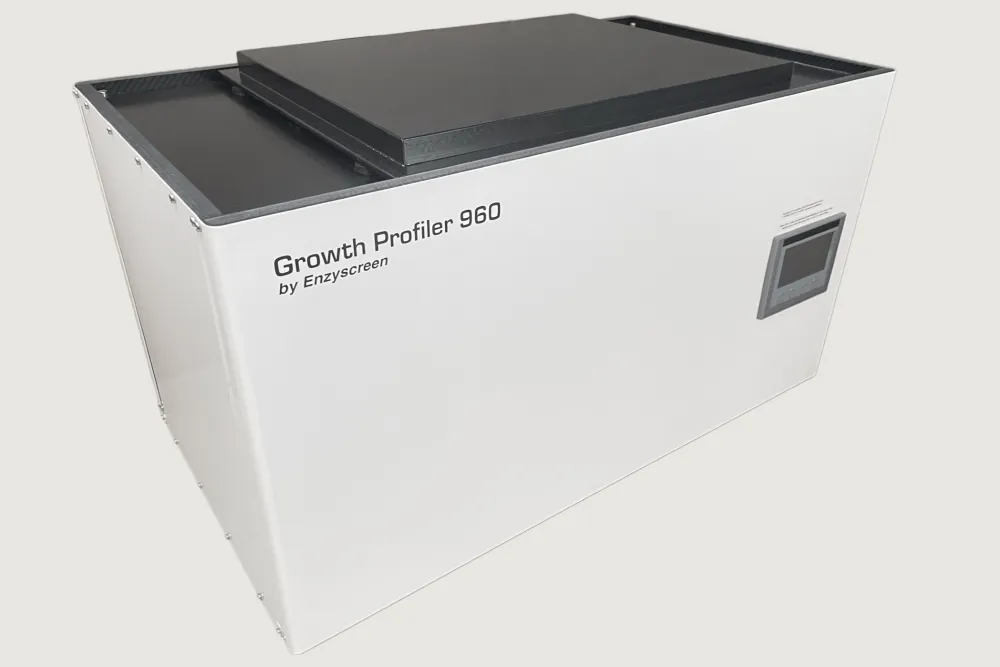
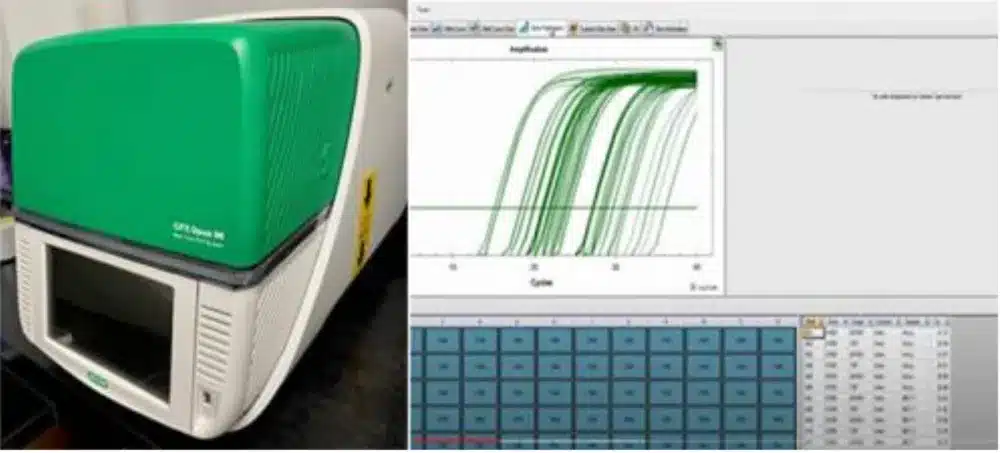
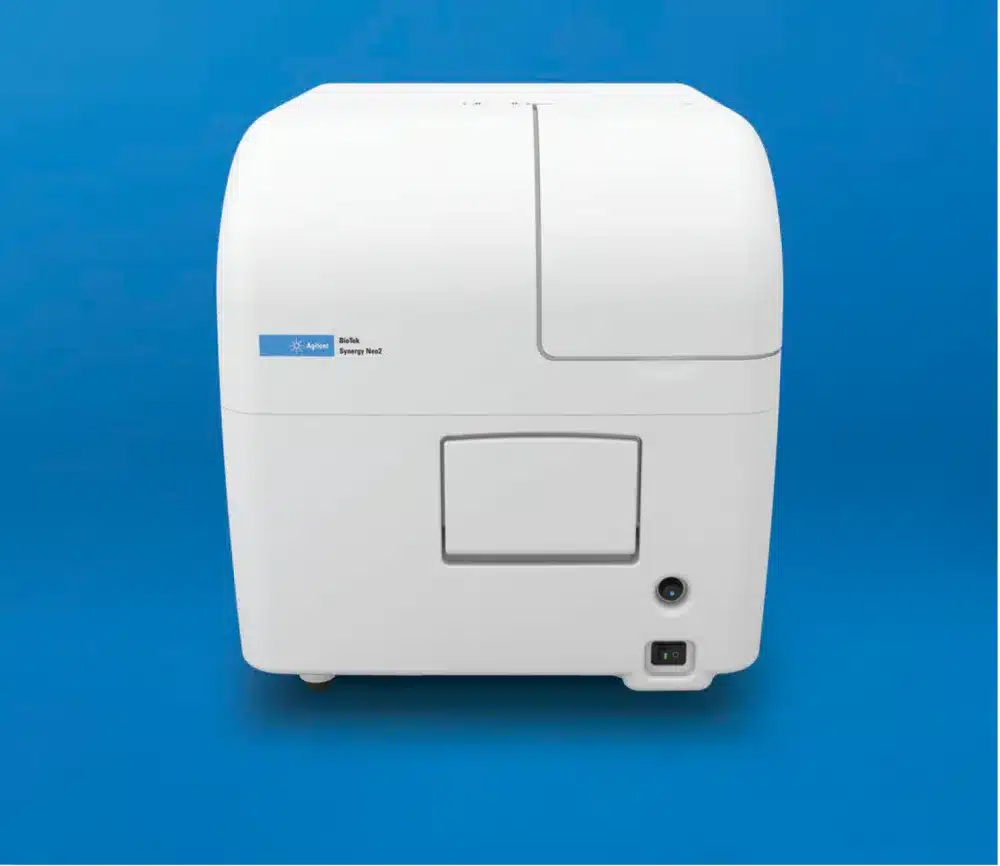
Equipment
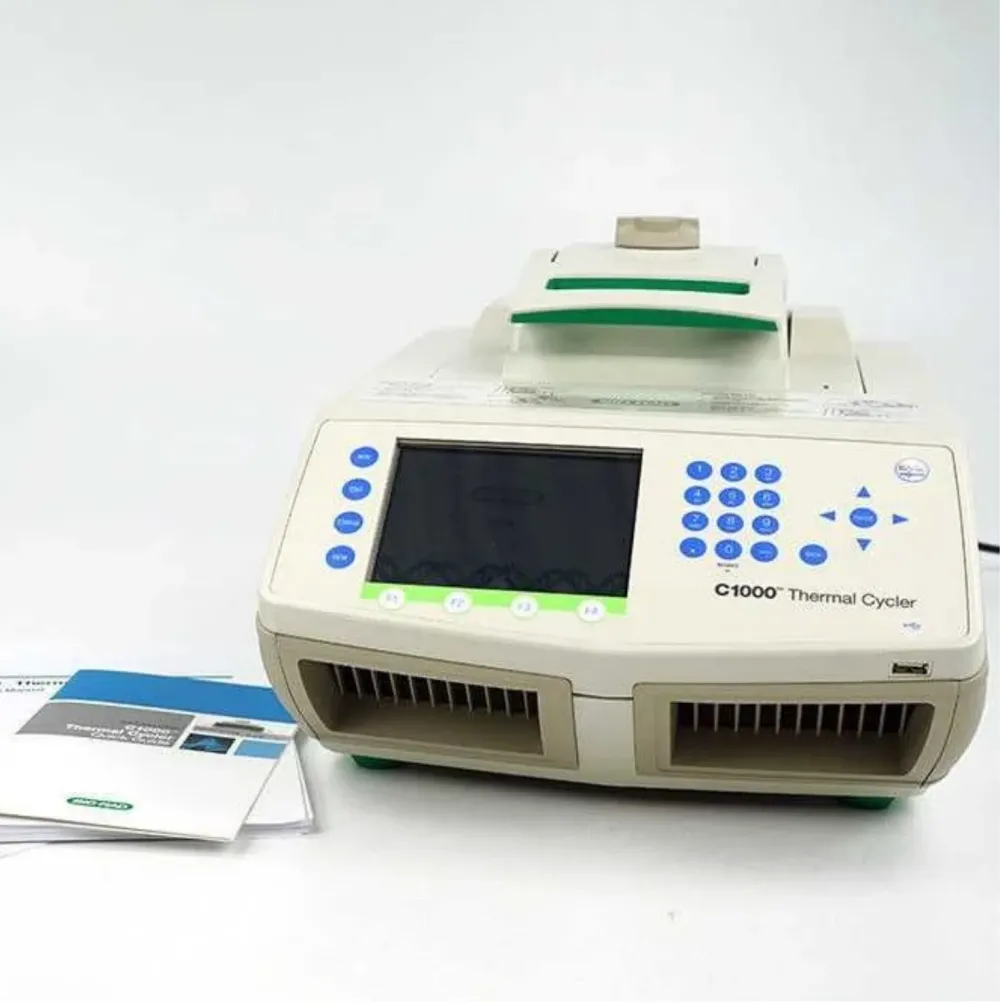
Variant screening and wet-lab validation are supported by Albrem’s protein engineering and analytical laboratory platform.
Supported Modalities
We apply our engineering framework across a range of protein classes:
- Monoclonal antibodies and Fc-fusions (ADCs)
- Recombinant enzymes
- Antigens
- Scaffold proteins
Ready to advance your program?
Our expertise can help advance your projects. Tell us about your target, your sequence, and your timeline.
Frequently Asked Protein Engineering & Optimization Questions
We typically need your protein sequence (or structure), a target profile, and details on the assays you plan to run for validation.
Journal References
House, R. V., T. A. Broge, T. J. Suscovich, D. M. Snow, Tomic M. T., G. Nonet, et al. (2022).
Evaluation of strategies to modify anti-SARS-CoV-2 monoclonal antibodies for optimal functionality as therapeutics.
PLoS One 17, e0267796.
Hastie, K. M., H. Li, D. Bedinger, S. L. Schendel, S. M. Dennison, K. Li, et al. (2021).
Defining variant-resistant epitopes targeted by SARS-CoV-2 antibodies: A global consortium study.
Science 374, 472–478.
Wijesuriya, S. D., E. Pongo, Tomic M., F. Zhang, C. Garcia-Rodriguez, F. Conrad, et al. (2018).
Antibody engineering to improve manufacturability.
Protein Expr. Purif. 149, 75–83.
Meng, Q., C. Garcia-Rodriguez, G. Manzanarez, M. A. Silberg, F. Conrad, J. Bettencourt, et al. (2012).
Engineered domain-based assays to identify individual antibodies in oligoclonal combinations targeting the same protein.
Anal. Biochem. 430, 141–150.
Teshima, G., M. X. Li, R. Danishmand, C. Obi, R. To, C. Huang, et al., Tomic M. (2011).
Separation of oxidized variants of a monoclonal antibody by anion-exchange.
J. Chromatogr. A 1218, 2091–2097.
Garcia-Rodriguez, C., I. N. Geren, J. Lou, F. Conrad, C. Forsyth, W. Wen, et al. (2011).
Neutralizing human monoclonal antibodies binding multiple serotypes of botulinum neurotoxin.
Protein Eng. Des. Sel. 24, 321–331.
Tomic M. T., J. R. Somoza, D. E. Wemmer, Y. W. Park, J. M. Cho, S. H. Kim (1992).
1H resonance assignments, secondary structure and general topology of single-chain monellin in solution as determined by 1H 2D-NMR.
J. Biomol. NMR 2, 557–572.
Tomic M. T. (1988).
Structural studies of psoralen interaction with synthetic deoxyribonucleic oligonucleotides using nuclear magnetic resonance spectroscopy.
University of California, Berkeley.
Our expertise can help to advance your projects
We can also provide services for support of process development, including expertise in cell-free protein synthesis, mammalian cell-based expression, and analytical characterization.